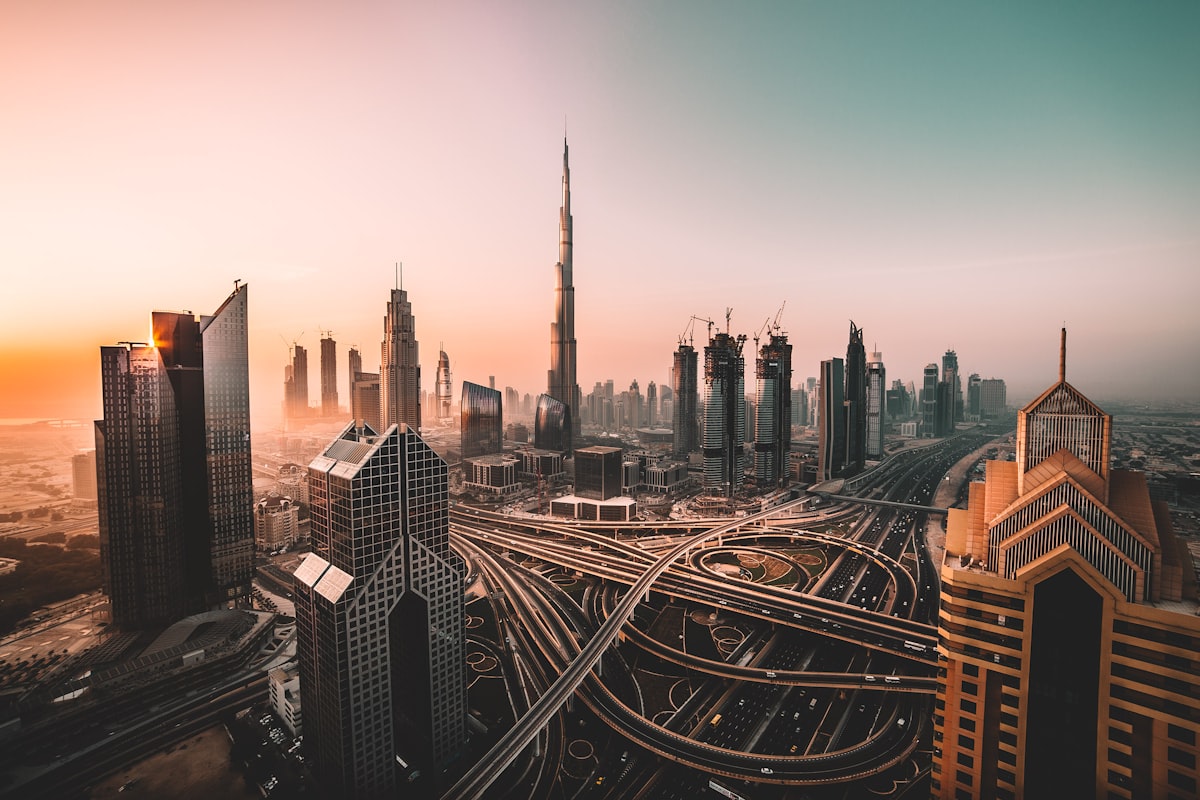
Dubai has taken the wraps off one of the most ambitious urban technology projects in the region: a city-wide, AI-powered transport network designed to move people faster, cleaner and more safely than ever before. Officials say the system will integrate autonomous vehicles, driverless metro lines and real-time traffic intelligence into a single, self-optimising grid.
The initiative, announced this week, is part of a broader strategy to make the emirate a global benchmark for smart-city living. Sensors embedded across major corridors will feed live data to an AI control centre, allowing the network to reroute traffic, adjust signals and dispatch autonomous shuttles on demand.
"This is not just about moving cars — it's about reimagining how a city breathes."
How the system works
At the heart of the project is a central intelligence layer that continuously learns from traffic patterns. During peak hours, the platform predicts congestion before it forms and quietly redistributes demand across roads, rail and micro-mobility options. The result, planners say, is a smoother commute with far fewer bottlenecks.
Early pilots in select districts have already shown promising results, with average travel times falling and emissions dropping as more journeys shift to electric, shared transport. The full rollout is expected to reach every major neighbourhood within three years.
What it means for residents
For commuters, the changes will be felt through a single app that stitches together every mode of transport — from metro and bus to autonomous taxi and e-scooter — into one seamless journey with unified payment. For the city, it's a step toward its long-term goal of making a quarter of all trips fully autonomous by the end of the decade.
Analysts say the project could become a template for fast-growing cities across the Middle East and beyond, proving that dense, modern metropolises can grow without grinding to a halt.